
Why Eco Friendly Soundproof Walls Are Worth Your Attention in 2026
Eco friendly soundproof walls are one of the smartest upgrades you can make to a home office — they cut noise and reduce your environmental footprint at the same time.
Here are the best options available right now:
| Material | Sound Absorption (NRC/αw) | Key Eco Benefit |
|---|---|---|
| Hemp panels | αw 0.55 | Absorbs 8-15 tonnes CO₂/hectare |
| Wood wool | NRC up to 0.90 | Renewable, A+ VOC rating |
| Cork | High mid-frequency absorption | Harvested without cutting trees |
| Recycled PET felt | Varies by thickness | 200+ plastic bottles per sheet |
| Recycled denim insulation | High NRC | 80% post-consumer recycled content |
| Living plant walls | Diffusion + soft absorption | Fully biophilic, zero synthetic materials |
If you work from home, noise is likely one of your biggest productivity killers. Conversations bleeding through walls, street sounds, household chaos — it adds up fast.
The good news? You don’t have to choose between effective soundproofing and responsible materials. Natural options like hemp, wood wool, and cork now perform at levels that rival conventional synthetic products. And recycled materials like PET felt and denim insulation are turning post-consumer waste into serious acoustic solutions.
There’s also a bigger picture here. The construction industry has long relied on materials like fiberglass and single-use acoustic foam — neither of which are kind to the planet. Newer eco alternatives are changing that, with verified certifications, low VOC ratings, and in some cases, the ability to actively sequester carbon from the atmosphere.
This guide rounds up the most effective sustainable acoustic solutions on the market in 2026, so you can make a confident, informed choice.
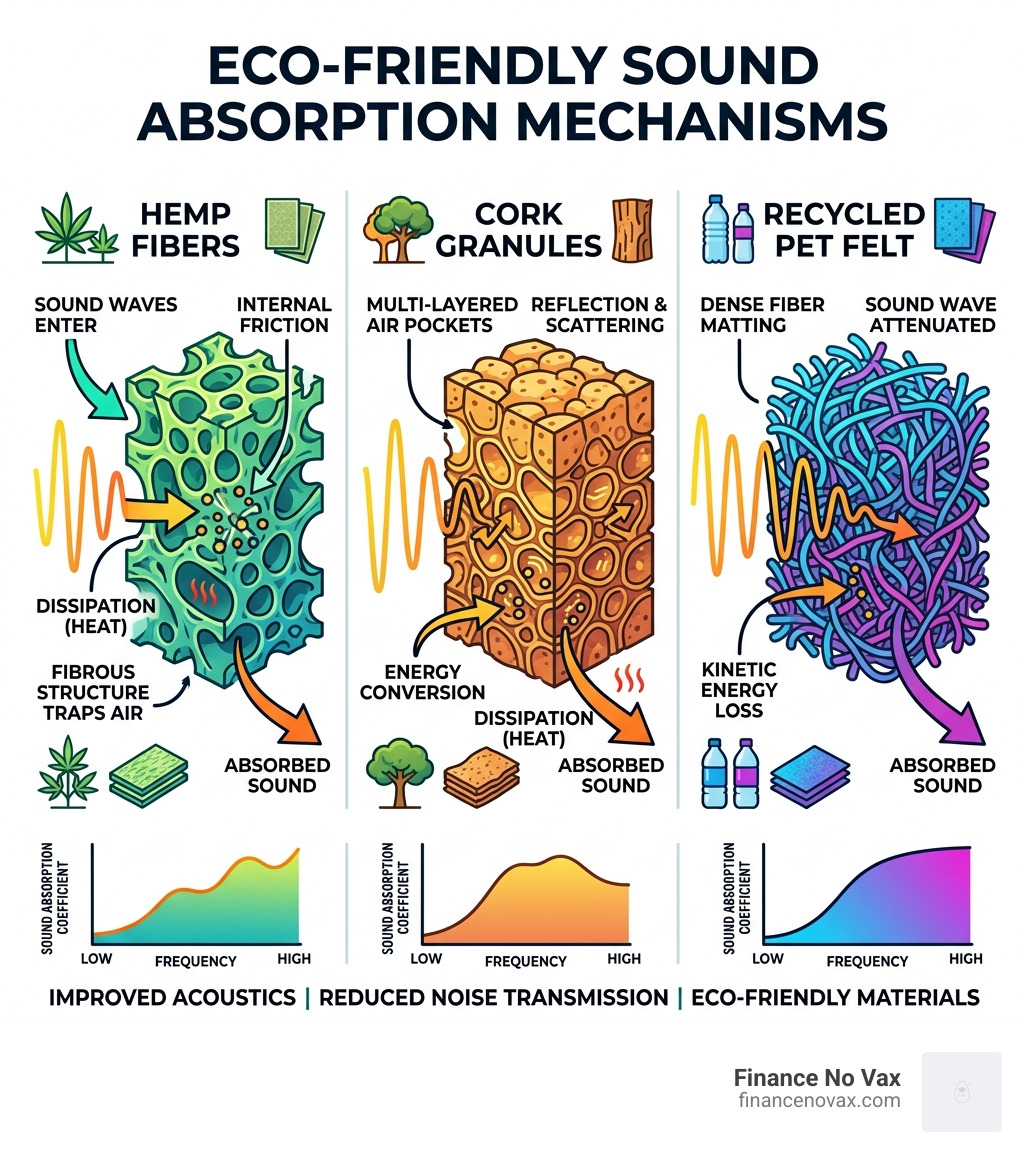
Key eco friendly soundproof walls vocabulary:
Natural Materials for Eco Friendly Soundproof Walls
When we talk about eco friendly soundproof walls, we aren’t just looking for something that stops a neighbor’s leaf blower from ruining a Zoom call. We are looking for materials that give back to the planet. In 2026, the shift toward “regenerative acoustics” is in full swing. These are materials that don’t just sit there—they manage humidity, clean the air, and even store carbon.
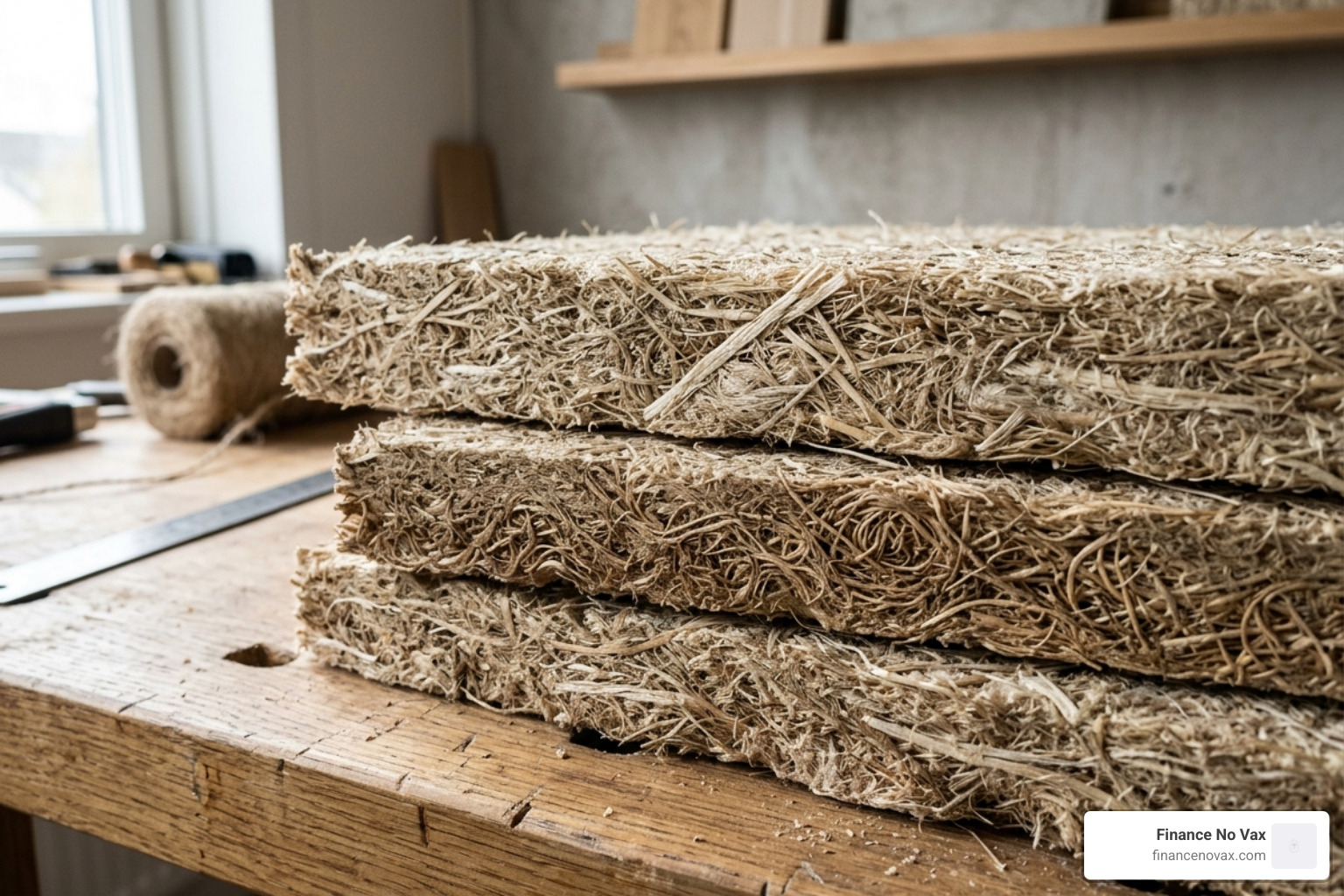
Natural fibers like hemp and wood wool have moved from the fringe of the construction world into the mainstream. Why? Because they tackle the “hidden” problems of traditional soundproofing. Traditional fiberglass insulation can be itchy, irritating to the lungs, and energy-intensive to produce. In contrast, bio-based materials often come with an A+ VOC (Volatile Organic Compound) rating, meaning they won’t off-gas nasty chemicals into your living room.
Furthermore, products like Vibe Eco Acoustic Wall Panels: Sustainable Sound Absorption demonstrate that you don’t have to sacrifice aesthetics for ethics. These panels offer Class A to C absorption while regulating indoor humidity between 45% and 55%. It’s like having a wall that breathes with you.
Why Hemp is a Top Choice for Eco Friendly Soundproof Walls
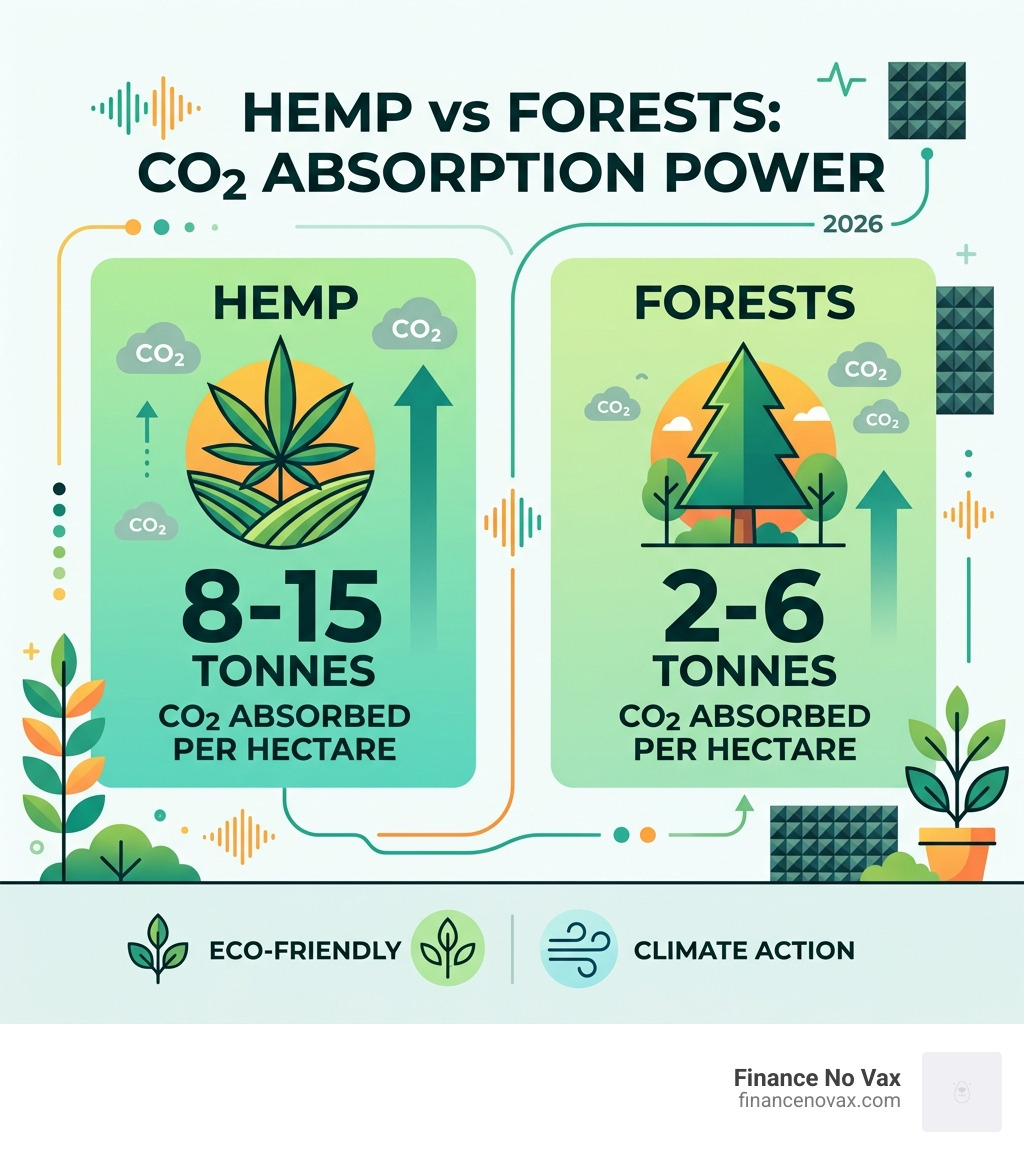
Hemp is arguably the “superfood” of the building world. For a long time, it was suppressed due to politics, but the data in 2026 is undeniable. Industrial hemp is a carbon sequestration machine. It absorbs between 8 to 15 tonnes of CO₂ per hectare of cultivation. To put that in perspective, a typical forest only captures about 2 to 6 tonnes per hectare per year.
But it’s not just about the carbon. Hemp is incredibly efficient to grow. One hectare of hemp can produce the same amount of paper or fiber as 4 hectares of trees. While trees take 20 to 50 years to reach maturity, hemp is ready to harvest in just 4 months. When used in eco friendly soundproof walls, hemp provides a density of approximately 12.6 kg/m³, offering a sound reduction of about 5.2 dB. It’s naturally resistant to mildew and pests, which is a huge plus if you’re tucking it inside a wall cavity.
Wood Wool and Cork: The Renewable Powerhouses
If you’ve ever walked into a high-end restaurant and noticed it was surprisingly quiet despite the crowd, you were likely looking at wood wool. Wood wool panels, often made from FSC-certified timber and cement binders, are acoustic champions. They can reach an αw (alpha-w) rating of up to 0.95 and an NRC (Noise Reduction Coefficient) of 0.90 when installed with a small air gap.
Cork is another heavyweight in the sustainable arena. The beauty of cork is that the tree (the Cork Oak) isn’t cut down. The bark is simply harvested every nine years, and the tree continues to grow and absorb carbon. Cork is naturally cellular, which makes it an excellent “decoupler.” It breaks the path of sound vibrations, making it perfect for double wall soundproofing where you want to stop structural noise from traveling between rooms.
High-Performance Recycled Acoustic Solutions
While natural fibers are fantastic, we also have to deal with the plastic problem. The circular economy is all about taking what we’ve already made and turning it into something useful. In 2026, some of the most stylish eco friendly soundproof walls are actually made from yesterday’s soda bottles.

Recycled solutions like PET felt and denim insulation are perfect for those who want a modern, “industrial-chic” look or high-performance hidden insulation. These products are often key to securing LEED credits for green building certifications because they divert massive amounts of waste from landfills. For example, About Futura™ Sound shows how bamboo and recycled cores can be combined into modular, geometric designs that look like art but work like a recording studio.
Sourcing Recycled PET for Eco Friendly Soundproof Walls
PET (Polyethylene Terephthalate) felt is a wonder material. It’s lightweight, durable, and can be molded into almost any shape. In 2026, a standard high-quality PET sheet contains over 200 recycled plastic bottles. Most reputable brands now maintain a standard of at least 60% to 80% recycled content.
However, a word of caution: not all PET is created equal. Some cheaper versions on the market use virgin plastic but label it “recyclable” to trick consumers. We always recommend looking for products with a verified Environmental Product Declaration (EPD). When sourced correctly, PET felt provides excellent mid-to-high frequency absorption, making it a top choice for noise cancelling wall foam alternatives in home offices and media rooms.
Denim and Cellulose: Turning Waste into Silence
What happens to your old jeans? If they’re lucky, they become UltraTouch™ Insulation. This material is made from 80% post-consumer recycled denim. It’s a favorite for DIYers because it doesn’t have the “itch factor” of fiberglass. You can handle it with bare hands without needing a hazmat suit.
Similarly, cellulose panels (like CFAB™) consist of 65–75% recycled content, primarily from post-consumer paper products. These panels are often used as the “core” for soundproof walls in the living room, providing superior low-frequency absorption compared to standard foam. They produce zero waste during installation because any off-cuts can be recycled again. If you’re deciding between different types of insulation, you might want to check out our comparison on Rockwool Or Bust Finding The Best Insulation For Your Studio Walls/.
The Science of Living Acoustic Barriers and Biophilic Design
If you really want to go “green,” why not use actual plants? Biophilic design—the practice of connecting people with nature inside buildings—is more than just a trend in 2026; it’s a wellness standard. A living wall doesn’t just look stunning; it acts as a complex acoustic diffuser.
Unlike a flat, hard wall that reflects sound like a mirror reflects light, a plant wall is irregular. The leaves, stems, and the soil (substrate) all work together. The leaves scatter sound waves (diffusion), while the porous soil absorbs them. This creates a “soft” acoustic environment that feels natural and calm, rather than the “dead” or “stuffy” feeling you get in some heavily padded rooms.
Integrating Living Plants into Eco Friendly Soundproof Walls
Building a living sound barrier requires a bit more planning than hanging a few panels. You need to consider the “mass” of the system. A vertical garden with a deep substrate (the dirt or growing medium) provides significant sound transmission loss because of its weight.
For the best results, we suggest a modular system. These systems allow you to “clip” pre-planted modules onto a waterproofed frame. You’ll need a dedicated irrigation system to keep the plants happy, but the payoff is a wall that literally cleans the air while keeping the peace. If you’re dealing with a particularly stubborn noise problem from a neighbor, you can even combine a living wall with a base layer of Green Glue Noiseproofing Compound on the drywall behind it for a “belt and braces” approach to silence.
Performance Metrics and Green Building Certifications
When shopping for eco friendly soundproof walls, don’t get distracted by pretty colors alone. You need to look at the numbers. The two biggest metrics are NRC (Noise Reduction Coefficient) and αw (alpha-w).
- NRC: A rating from 0 to 1. An NRC of 0.80 means the material absorbs 80% of the sound that hits it.
- αw: The European equivalent, which often includes a “class” rating (Class A is the best).
Understanding Environmental Standards for Acoustic Products
To ensure your “green” wall isn’t just “greenwashed,” look for these certifications:
- FSC (Forest Stewardship Council): Ensures wood wool or bamboo is sourced from responsibly managed forests.
- LEED (Leadership in Energy and Environmental Design): Many eco-materials contribute points toward LEED v4.1 certification, especially those with high recycled content like PET or denim.
- Low VOC / Formaldehyde-Free: Essential for indoor air quality. Look for an “A+” rating or “ULEF” (Ultra-Low Emitting Formaldehyde) status.
- EPD (Environmental Product Declaration): A transparent, third-party verified report on the product’s life-cycle environmental impact.
For more on how these materials compare to traditional foam, see our guide on noise cancelling wall foam.
Frequently Asked Questions about Sustainable Soundproofing
What are the most effective natural materials for sound absorption?
In 2026, wood wool and hemp are the top performers. Wood wool can achieve an NRC of 0.90, which is professional-studio grade. Hemp follows closely, offering excellent humidity control and a solid αw of 0.55, making it perfect for residential use.
How do eco-friendly walls contribute to LEED certification?
Eco-friendly walls contribute through several categories: Recycled Content (PET, denim, cellulose), Rapidly Renewable Materials (hemp, cork, bamboo), and Indoor Environmental Quality (low VOC, formaldehyde-free). Using products with a verified EPD is the fastest way to earn these credits.
Are living plant walls better than recycled PET panels for noise?
They serve different purposes. PET panels are better at absorbing specific high-frequency echoes (like the “ping” of a voice). Living walls are better at diffusing sound and providing a broad, natural dampening effect. For the ultimate quiet, many 2026 designs use a combination of both.
Conclusion
At Finance No Vax, we believe that the future of home and office design must be both silent and sustainable. Building eco friendly soundproof walls isn’t just a DIY project; it’s an investment in your well-being and the planet’s health. Whether you choose the carbon-sequestering power of hemp, the recycled efficiency of PET felt, or the biophilic beauty of a living wall, you are proving that high performance doesn’t have to come at a high environmental cost.
Ready to start your journey to a quieter home? Explore more of our DIY soundproofing solutions and join the movement toward a more peaceful, carbon-neutral world.
