
Why the Best Insulation for Walls for Sound Matters More Than You Think
The best insulation for walls for sound can make the difference between a productive workday and a frustrating one filled with distractions. If you work from home, unwanted noise — whether it’s a loud TV in the next room, street traffic, or a partner on a call — is more than annoying. It’s a real productivity killer.
Here’s a quick look at the top options so you can compare at a glance:
| Insulation Type | Best For | STC Boost | NRC Rating |
|---|---|---|---|
| Mineral Wool (e.g., ROCKWOOL Safe’n’Sound) | Maximum sound blocking | High | 1.0+ |
| Fiberglass Batts | Budget-friendly soundproofing | Moderate | ~1.0 |
| Cellulose (Blown-In) | Retrofitting existing walls | High | High |
| Open-Cell Spray Foam | Air sealing + some absorption | Moderate | Moderate |
| Closed-Cell Spray Foam | Exterior walls, moisture control | Moderate | Lower |
| Rigid Foam Board | Concrete or specialty walls | Low-Moderate | Low |
Bottom line: Mineral wool is the top performer for interior wall soundproofing. Fiberglass batts are the best budget pick. Blown-in cellulose is ideal if your walls are already closed up.
To understand why this matters, consider what’s happening inside your walls right now. A standard interior wall — just drywall over 2×4 studs — has an STC rating of only 34. That means normal conversation from the next room comes through clearly. That’s not a home office. That’s a fishbowl.
Adding the right insulation can push that rating to 39 or higher with fiberglass, and even further with denser materials like mineral wool. The difference isn’t just a number — it’s the gap between hearing every word your housemate says and actually being able to focus.
This guide breaks down each material, compares real performance data, and helps you pick the right option for your situation — whether you’re building new or retrofitting an older home.
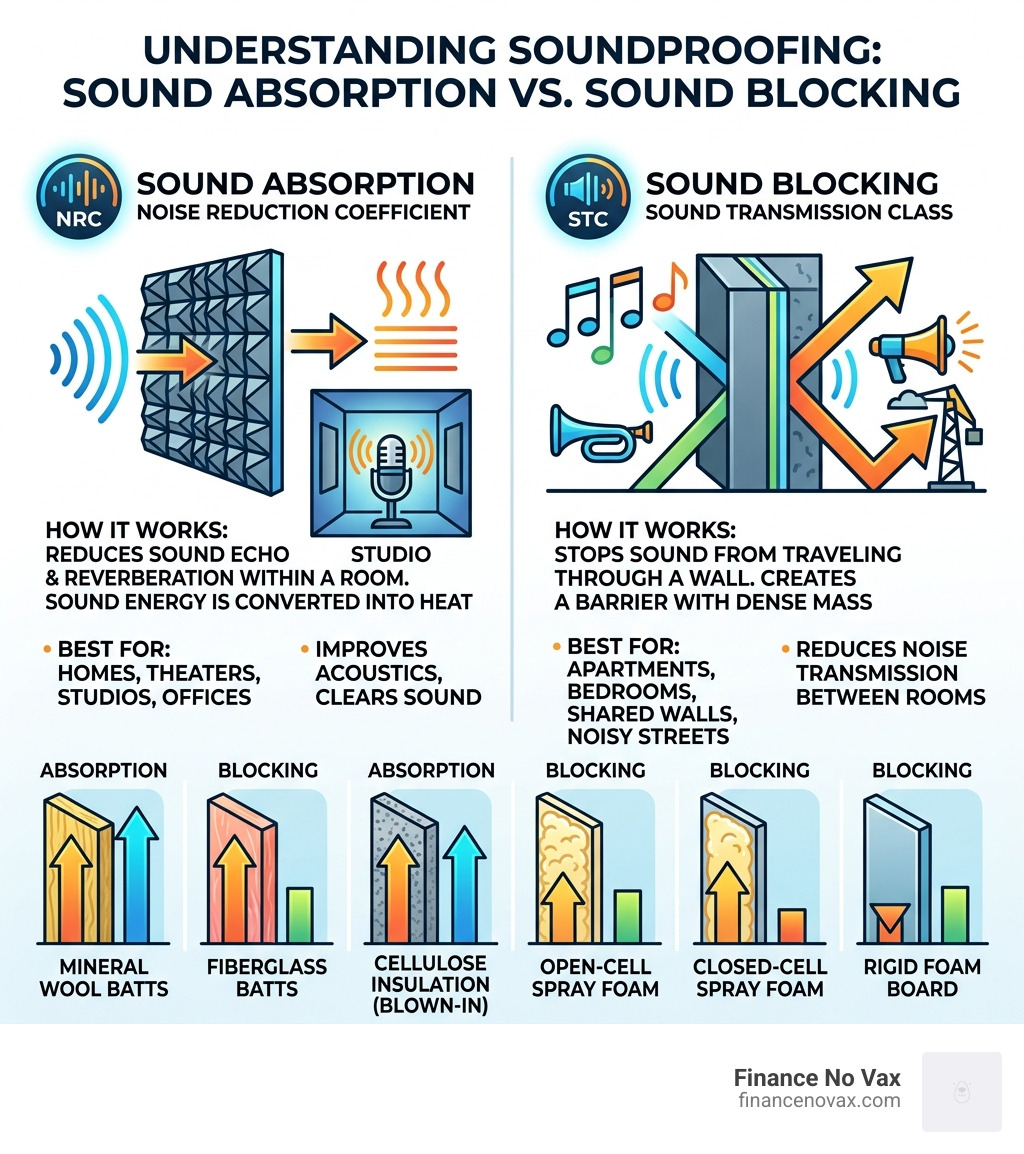
Best insulation for walls for sound terms simplified:
Understanding STC and NRC Ratings for Soundproof Walls
When we talk about the best insulation for walls for sound, we have to speak the language of acoustics. You will see two main ratings on insulation packaging: STC and NRC. Understanding these is the first step in The Ultimate Guide To Soundproofing Your Walls/.
Sound Transmission Class (STC) measures how well a wall assembly blocks airborne noise. Think of voices, the TV, or a barking dog. A higher STC rating means less sound gets through. For example, a jump from STC 34 to STC 39 might sound small, but it represents a significant reduction in perceived loudness. In fact, reaching an STC of 60 can make loud speech essentially inaudible.
Noise Reduction Coefficient (NRC), on the other hand, measures sound absorption. This is about how much sound the material “soaks up” rather than reflecting it back into the room. NRC ratings range from 0 to 1.0. If a material has an NRC of 0.95, it absorbs 95% of the sound energy that hits it. This is crucial for reducing echoes and reverberation within a room.
It is important to distinguish between airborne noise (traveling through the air) and impact noise (vibrations from footsteps or dropped objects). While insulation is fantastic for airborne noise, it often needs to be paired with other methods to fully tackle impact vibrations.
Top Materials: Finding the Best Insulation for Walls for Sound
Choosing the right material depends on your specific goals. Are you building a dedicated home theater, or just trying to keep the sound of the dishwasher out of your bedroom?
| Material | Density | Primary Benefit |
|---|---|---|
| Mineral Wool | High | Superior sound blocking and fire resistance |
| Fiberglass | Low-Medium | Cost-effective and easy to find |
| Cellulose | High (Dense-pack) | Excellent for retrofitting and eco-friendly |
The density of the material is the secret sauce. Denser materials are generally better at slowing down sound waves and reducing cavity resonance—that “drum-like” effect where sound echoes inside an empty wall. For those looking for professional-grade results, Acoustic Wall Insulation | ROCKWOOL provides high-density solutions that specifically target these acoustic weak points.
Mineral Wool: The Gold Standard for Best Insulation for Walls for Sound
If you ask any acoustic engineer about the best insulation for walls for sound, they will likely point you toward mineral wool. Often referred to as stone wool, this material is made from volcanic rock and slag, spun into a dense, fibrous mat.
Products like Safe’n’Sound Sound Proof Insulation | ROCKWOOL are specifically engineered for interior partitions. Because it is much denser than standard fiberglass, it is exceptionally good at absorbing sound across a wide range of frequencies. It often boasts an NRC rating exceeding 1.0.
Beyond acoustics, mineral wool offers incredible fire resilience. It is non-combustible and can withstand temperatures up to 2150°F. It also doesn’t rot or promote mold growth, making it a “set it and forget it” solution for a healthy home. For musicians and creators, it’s often a case of Rockwool Or Bust Finding The Best Insulation For Your Studio Walls/.
Fiberglass Batts: Budget-Friendly Best Insulation for Walls for Sound
Fiberglass is the most common insulation in the world for a reason: it’s affordable and effective. Made from fine glass fibers, these batts are lightweight and easy to install with a simple friction fit between studs.
While it is less dense than mineral wool, fiberglass is still a powerful tool for sound reduction. Standard R-13 or R-15 batts can improve a wall’s STC rating from 34 to 39. To get the most out of it, we recommend using thicker, high-density fiberglass batts specifically designed for acoustic use.
According to The Best Insulation for Soundproofing Walls and Ceilings , fiberglass is a great multi-purpose choice because it provides both thermal resistance and sound dampening. It’s the go-to for homeowners who want a noticeable improvement in quiet without breaking the bank.
Cellulose and Blown-In Options for Retrofitting
What if your walls are already finished? You don’t necessarily have to tear down the drywall to find the best insulation for walls for sound. Cellulose insulation, made from recycled paper treated for fire resistance, can be blown into existing wall cavities through small access holes.
When installed as “dense-pack” cellulose, it creates a tight, heavy barrier that is excellent at filling every nook and cranny. This is vital because sound acts like water—if there is a tiny gap, it will find its way through. Soundproofing Insulation Made From Cellulose | Greenfiber highlights how this material can reduce sound power by up to 60%, providing a quiet sanctuary even in older, drafty homes.
Advanced Soundproofing: Spray Foam vs. Rigid Boards
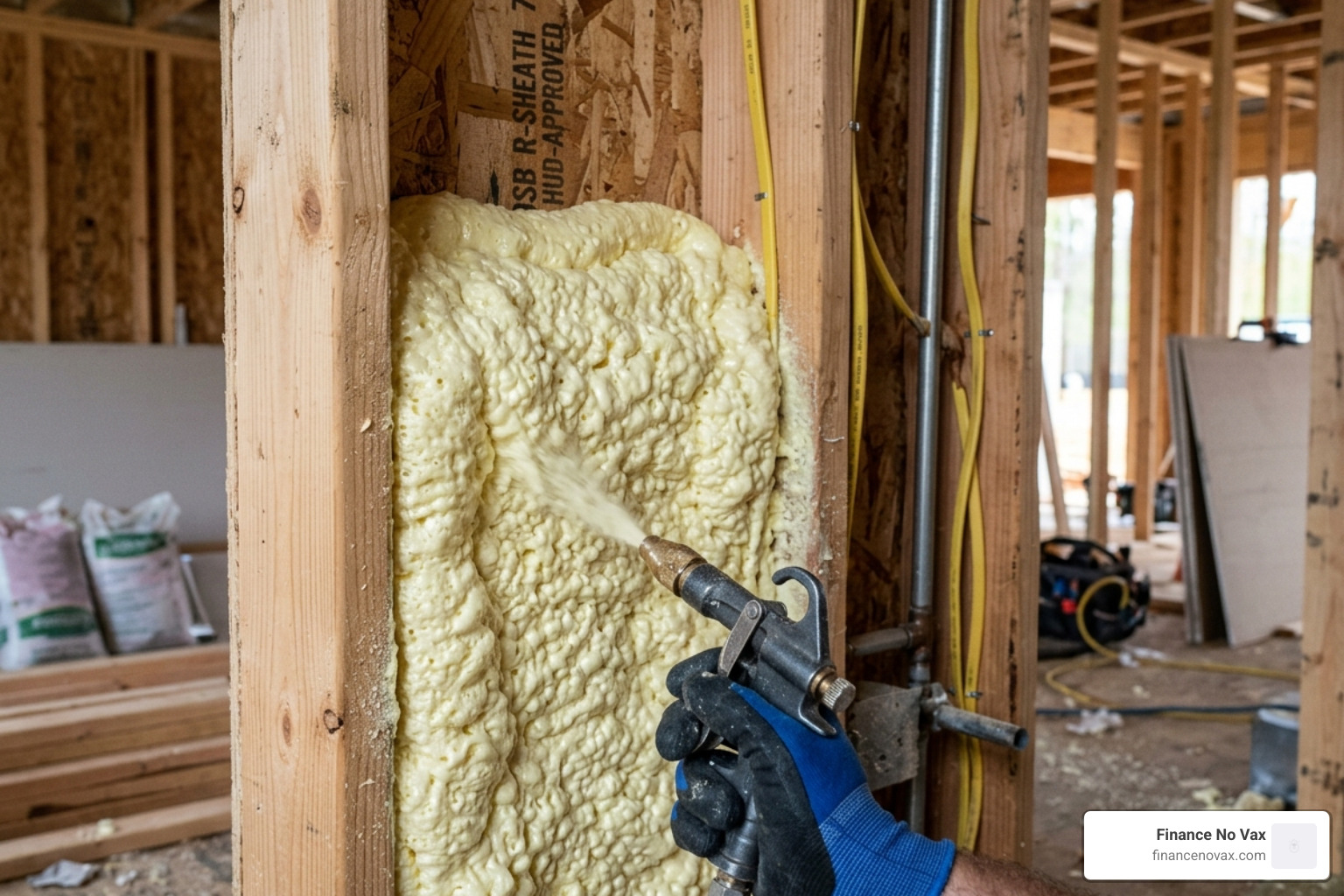
When we move into specialized applications, spray foam and rigid boards enter the conversation. However, there is a common misconception that all foam is good for sound.
Open-cell spray foam is relatively soft and flexible. Its porous structure allows it to absorb some sound waves, making it decent for reducing noise between rooms. It also expands to fill every crack, which stops airborne sound from leaking through air gaps.
Closed-cell spray foam, while a champion for thermal insulation and moisture barriers, is very dense and hard when it cures. Because it becomes so rigid, it can actually transmit vibrations more easily than softer materials. It’s great for exterior walls but often isn’t the best insulation for walls for sound when blocking noise between bedrooms. As we often say, Dont Get Foamed By Low Quality Cheap Acoustic Panels/—the same applies to choosing the wrong foam for your walls.
Rigid Polyiso boards are another option, often used in masonry walls or basements. They offer great thermal performance and can add mass to a wall, but they are typically used in conjunction with other materials for a complete acoustic solution.
Installation Considerations for Maximum Noise Reduction
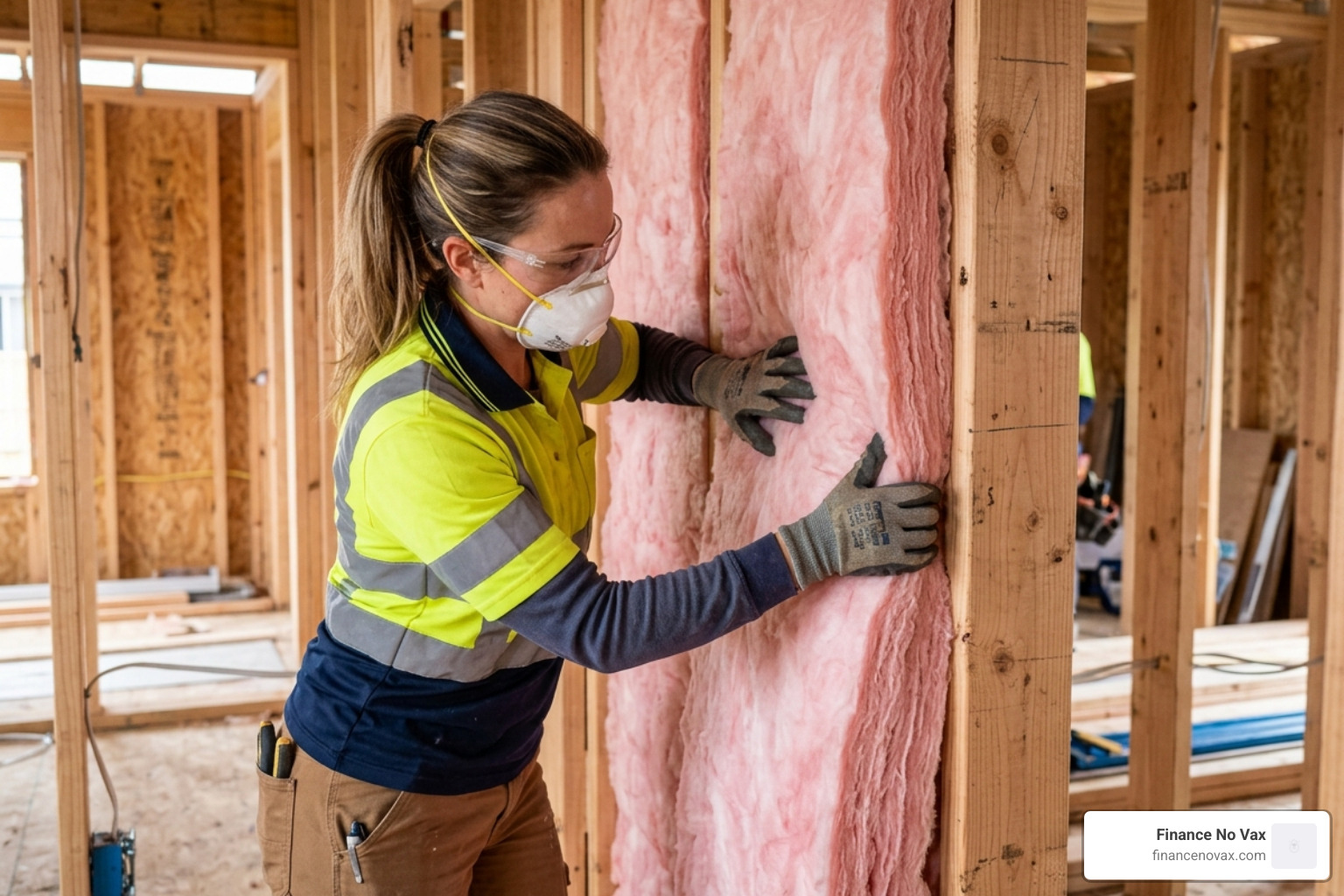
Even the best insulation for walls for sound will fail if the installation is sloppy. Sound is persistent. If you leave a 1-inch gap at the top of a stud bay, you might as well have not insulated it at all for sound purposes.
- Seal the Gaps: Before the insulation goes in, we use acoustic sealant to plug holes where wires or pipes pass through studs. These “flanking paths” are where sound sneaks around your defenses.
- Friction Fit: Whether using mineral wool or fiberglass, ensure the batts are cut slightly larger than the cavity so they stay in place via friction without leaving gaps.
- Avoid Compression: Do not squash your insulation. The air trapped between the fibers is what does the work. Squashing it reduces its effectiveness.
- Consider Double Studs: For maximum silence, some homeowners build double-stud walls with a small air gap between them. This “decouples” the two sides of the wall, making it nearly impossible for vibrations to pass through.
Learning How To Install Acoustic Wall Panels Like A Sound Engineer/ can give you a deeper appreciation for the precision required to truly master your home’s acoustics.
Frequently Asked Questions about Wall Soundproofing
Can I add sound insulation to existing walls without removing drywall?
Yes! This is one of the most common questions we get. You can use blown-in cellulose or injection foam. A professional contractor drills small holes near the top of the wall and fills the cavity. This is a highly efficient way to improve Party Wall Insulation | Greenfiber in townhomes or apartments without a full-scale renovation.
Is open-cell or closed-cell spray foam better for noise?
Open-cell is generally better for sound absorption inside the home. Its softer, sponge-like texture is better at dampening vibrations and absorbing sound waves. Closed-cell is too rigid and can actually reflect or transmit sound through the structure of the wall.
How much does adding insulation improve a standard 2×4 wall’s STC?
A standard uninsulated wall usually sits at an STC of 34. Adding standard fiberglass batts typically brings that up to an STC of 39. While a 5-point jump might not seem massive, it is enough to make the difference between hearing a neighbor’s conversation and only hearing a faint, muffled murmur. If you upgrade to mineral wool or dense-pack cellulose, those gains can be even more significant.
Conclusion
In 2026, our homes are more than just places to sleep—they are offices, studios, and sanctuaries. Achieving acoustic privacy is no longer a luxury; it’s a necessity for mental well-being and focus.
At Finance No Vax, we believe that understanding the best insulation for walls for sound empowers you to make the right investment in your property. Whether you choose the “gold standard” of mineral wool, the budget-friendly reliability of fiberglass, or the retrofit convenience of cellulose, you are taking a major step toward a quieter life.
Don’t settle for a noisy environment. By combining the right materials with expert installation techniques, you can finally shut out the world and enjoy the silence you deserve. Ready to take the next step? Master your space with professional acoustic solutions and turn your home into the quiet haven it was meant to be.
