
Soundproof Door Draft Stopper Guide for Better Sleep
Why the Gap Under Your Door Is Killing Your Focus (and Sleep)
A door draft stopper soundproof seal is one of the simplest and most affordable ways to reduce noise coming under your door — here’s what you need to know at a glance:
- What it does: Fills the gap between the door bottom and the floor to block sound, drafts, light, and dust
- How well it works: Noticeably reduces noise transmission — but works best combined with other methods
- Best materials: High-density foam and silicone outperform basic fabric for sound blocking
- Who needs it: Anyone dealing with hallway noise, street sound, or room-to-room sound bleed
- Cost range: Budget options start around $8–$10; higher-quality models run $20–$40+
- Install time: Most slide-under or adhesive models take under 5 minutes with no tools
That gap under your door is doing more damage than you think.
According to the U.S. Department of Energy, the average home loses 25 to 40 percent of its heating and cooling through walls and gaps around windows and doors. Sound travels the same path — and the gap under your door is one of the weakest spots in any room.
If you work from home, that gap is letting in hallway conversations, TV noise, kitchen sounds, and street traffic. All day. Every day.
The good news? A quality soundproof door draft stopper can make a real, noticeable difference — fast. There are over 675 products listed on Amazon alone for “under door sound blocker,” ranging from simple foam sleeves to heavy-duty silicone sweeps.
But not all of them actually work for noise. Some are built only for draft control, while others use denser materials specifically designed to dampen sound.
This guide walks you through exactly what to look for, which types perform best, and how to install one correctly so you actually get results.
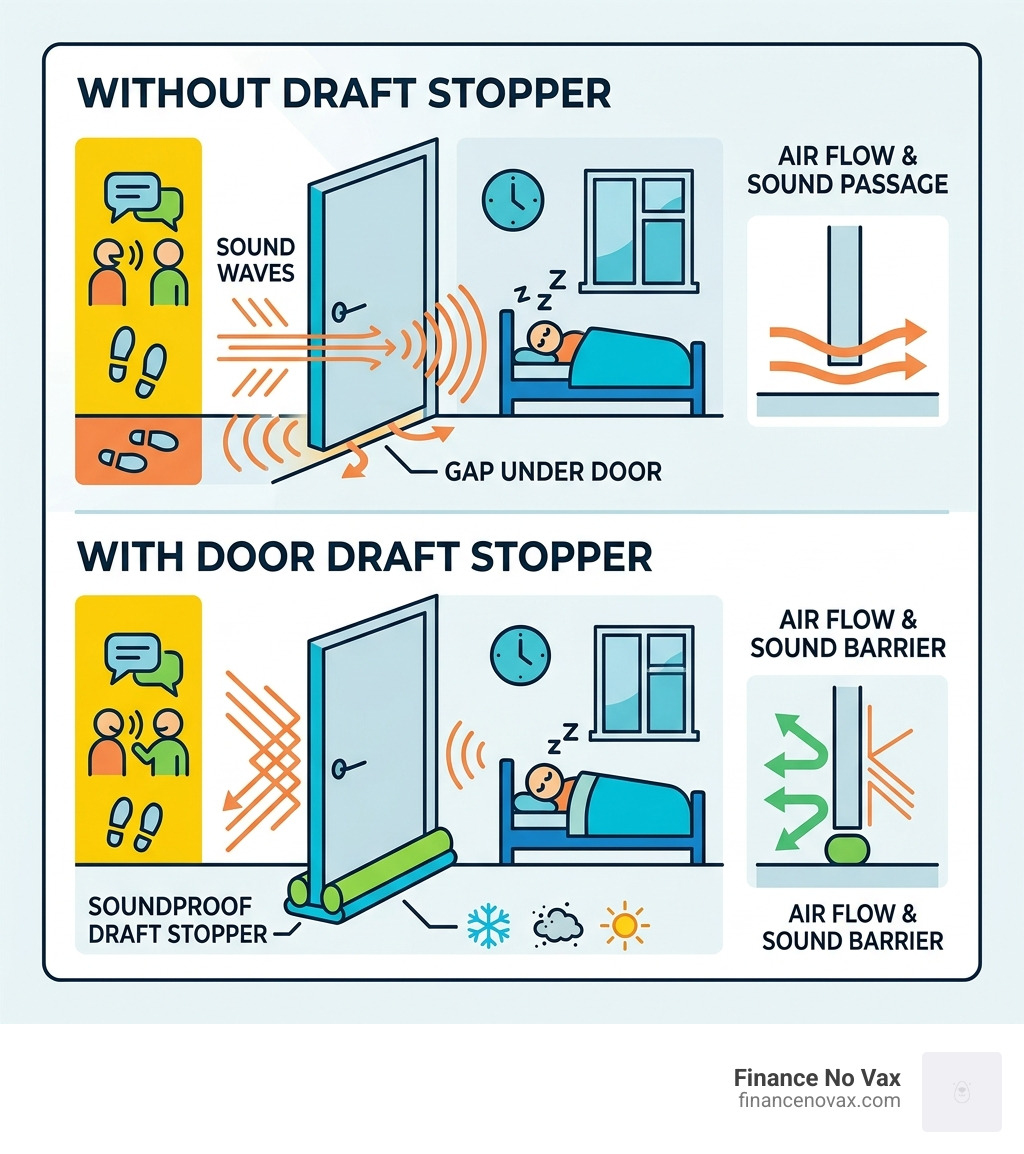
Door draft stopper soundproof terms to know:
How a Door Draft Stopper Soundproof Solution Works
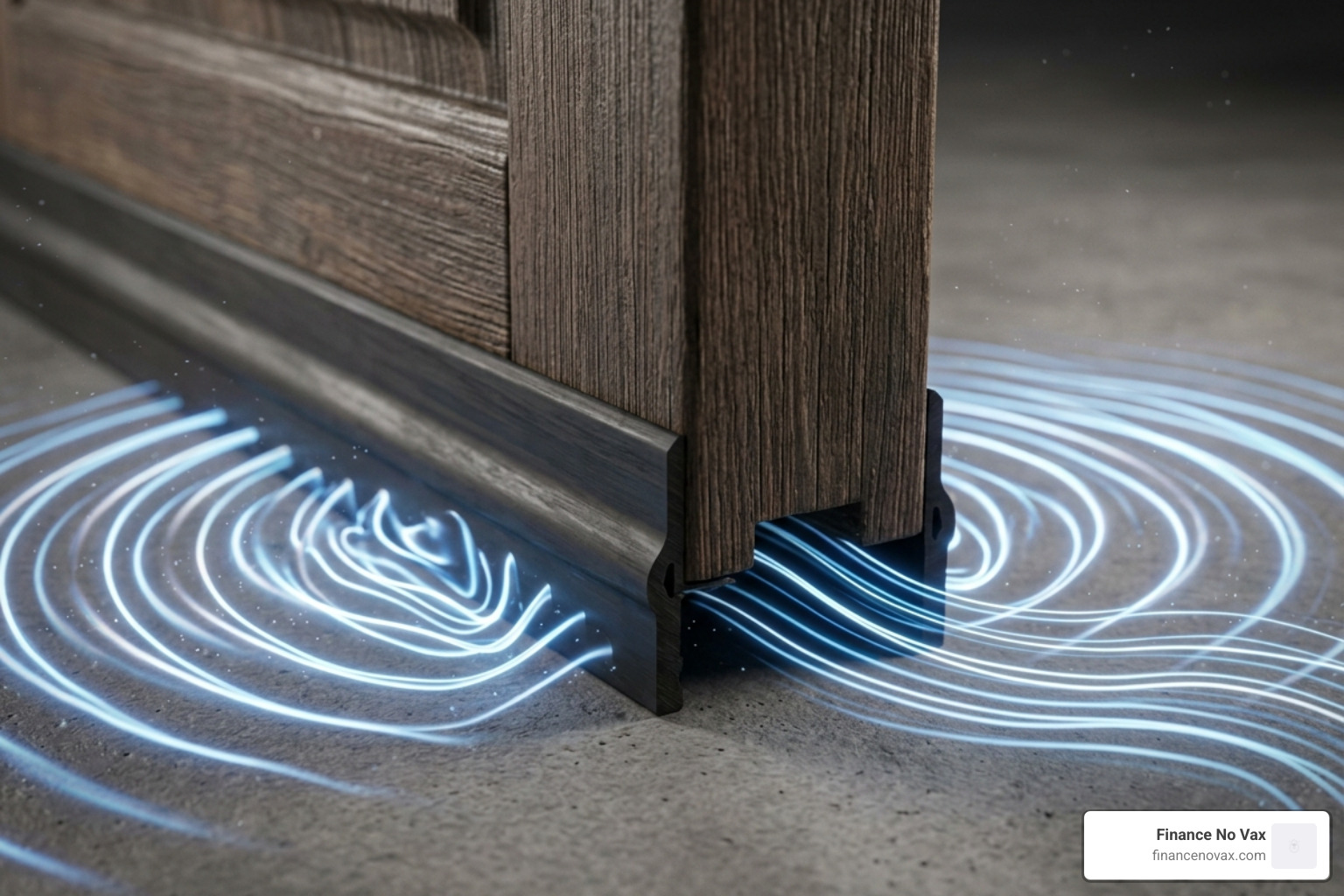
To understand how a door draft stopper soundproof solution functions, we have to look at the physics of sound. Sound is like water; if there is a hole, it will pour through. That two-inch gap at the bottom of your bedroom door might as well be a wide-open window for acoustic energy.
Acoustic Sealing and Airflow
The primary job of a stopper is to create an airtight seal. Sound waves travel through the air, so by restricting airflow, we naturally restrict the path of the noise. When we install a dense barrier under the door, we are essentially extending the door’s surface all the way to the floor. This is a fundamental concept we cover in our guide on Soundproof Door Solutions 101.
Mass and Density
Not all stoppers are created equal. A lightweight fabric tube filled with polyester stuffing might stop a breeze, but sound waves will pass right through it. For effective noise reduction, we need mass. High-density memory foam, heavy silicone, or weighted fillings like sand or glass beads provide the density required to “soak up” or reflect sound vibrations. If you want to dive deeper into the science, check out our breakdown of Acoustic Door Insulation Materials-What Actually Works.
Decibel Reduction
While a door stopper won’t make your room a silent vacuum, it can significantly lower the decibel (dB) level of incoming noise. In a typical home setting, a well-fitted stopper can reduce the “perceived” noise by about 30-50%, making that muffled hallway chatter much easier to ignore during your afternoon nap or a deep-work session.
Choosing the Best Soundproof Door Draft Stopper for Your Home
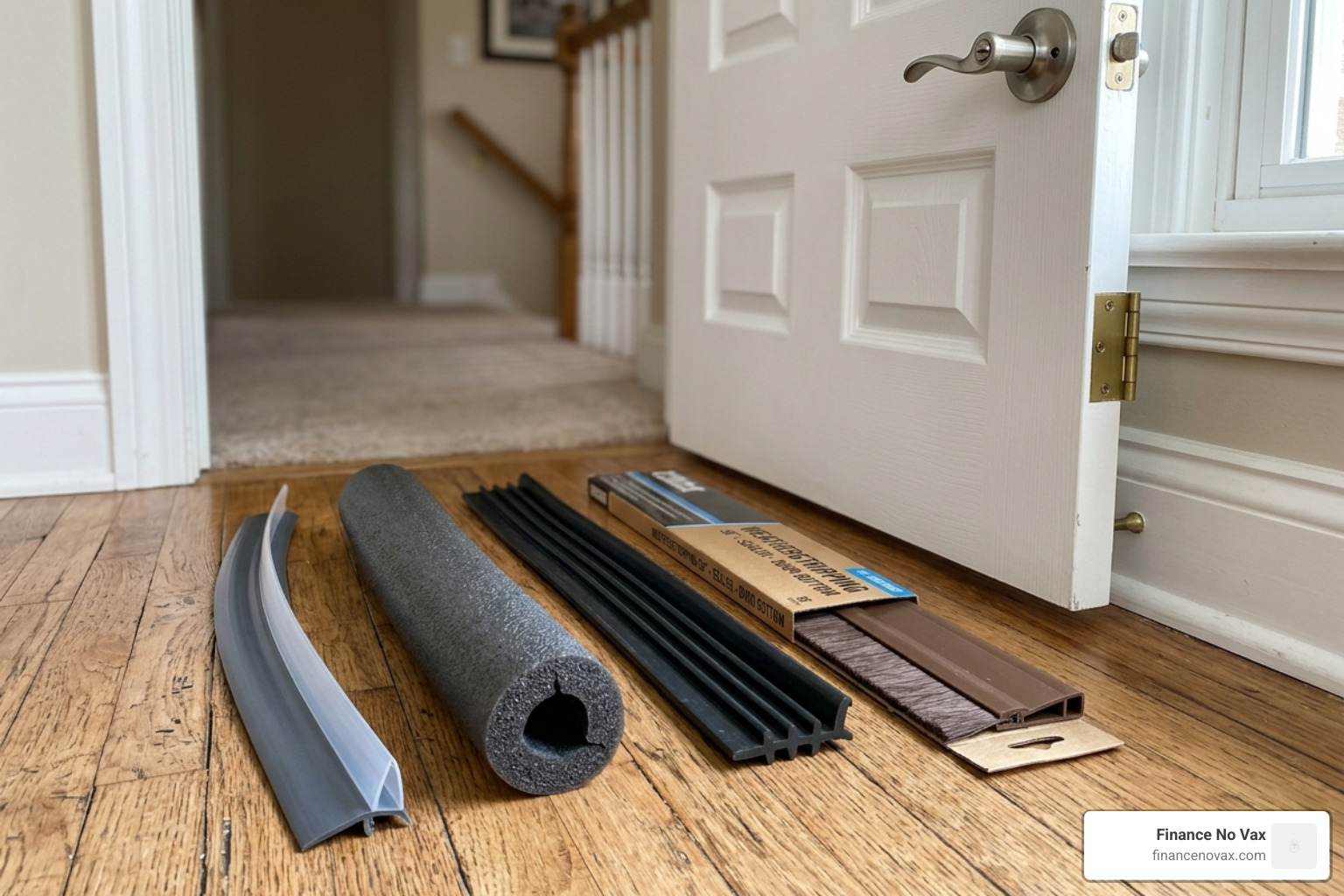
With hundreds of options available in 2026, choosing the right door draft stopper soundproof model can feel overwhelming. The “best” one depends entirely on your floor type, the size of your gap, and how much noise you’re trying to block.
Material Density: Silicone vs. Foam
- Silicone Sweeps: These are usually adhesive-backed strips. They are excellent for blocking light and drafts and offer a sleek, low-profile look. However, they are thinner than foam options, meaning they have less mass to stop heavy bass or loud shouting.
- Foam Tubes: These typically slide under the door, covering both sides. Because they use thick foam (often 1.1 to 2 inches thick), they provide a much better sound barrier than a single thin strip of silicone.
Gap Height and Floor Compatibility
Before you click “buy,” grab a measuring tape. Most standard stoppers handle gaps up to 1.5 inches, but some heavy-duty models like the fowong Door Draft Stopper 30″ to 36″ Soundproofing Under Door Draft Blocker are designed to seal even larger gaps up to 1.7 inches.
| Stopper Type | Best For | Sound Blocking Power | Floor Compatibility |
|---|---|---|---|
| Adhesive Silicone Sweep | Exterior doors, sleek look | Moderate | Hardwood, Tile, Vinyl |
| Double-Sided Foam | Interior bedroom/office doors | High | All floor types (slides with door) |
| Weighted Fabric (Pillow) | Occasional use, heavy noise | Very High | Hardwood, Tile (can drag on carpet) |
| Magnetic Metal Sweep | Steel doors | Moderate | Any |
Key Features of a Door Draft Stopper Soundproof Design
When we evaluate these products, we look for three non-negotiables:
- Adjustability: Can you cut it to fit? Doors aren’t always exactly 36 inches. Look for foam inserts that can be trimmed with scissors.
- Tool-free Installation: Unless you’re handy with a drill, stick to slide-on or adhesive models.
- Machine-Washable Covers: Under-door areas are dust magnets. Being able to unzip the cover and toss it in the wash is a lifesaver.
Durability and Material Longevity in 2026
In April 2026, the market has shifted toward more resilient materials. We recommend looking for stoppers made from heavy-duty cotton canvas or resilient polyester. These materials resist fraying and tearing even if they rub against a rough carpet 50 times a day.
Products like the Door Draft Stopper for Bottom of Door from Upper Echelon Products use 2-inch thick foam that maintains its shape over years of use. Cheaper “pool noodle” style stoppers tend to flatten out within a few months, losing their soundproofing effectiveness.
Installation Guide for Maximum Noise Reduction
Even the most expensive door draft stopper soundproof solution will fail if it’s installed poorly. If there’s even a tiny gap at the corner, sound will find its way in. Here is our step-by-step guide to getting it right the first time.
Step 1: Surface Preparation
If you are using an adhesive sweep, clean the bottom of the door with rubbing alcohol. Any dust or oil will cause the adhesive to fail within a week. If you’re using a slide-under model, ensure the floor is clear of debris so the stopper doesn’t get snagged.
Step 2: Measuring and Trimming
Measure your door width twice. If your stopper is too long, it will hit the frame and prevent the door from closing. If it’s too short, you’ve left a “sound leak” at the edge. Trimming the foam tubes inside the fabric sleeve is usually the easiest way to get a custom fit. For more on this, see our article on Stop the Leak-Installing Frame Seals and Sweeps.
Step 3: Achieving Pressure Equilibrium
You want the stopper to touch the floor, but not so tightly that it makes the door hard to open. A “firm graze” is the goal. For uneven floors, we sometimes recommend a spring-automatic seal, which we’ve reviewed and tested here.
Maintaining Your Door Draft Stopper Soundproof Seal
Maintenance is often overlooked. Over time, adhesive can peel, or foam can shift.
- Hook-and-loop Security: Many modern stoppers, such as the Everlasting Comfort Under Door Draft Stopper, include hook-and-loop (Velcro) strips. Use these! They prevent the stopper from sliding out of alignment every time you swing the door.
- Cleaning: Dust and pet hair can build up on the bottom, increasing friction. Give it a quick wipe or a vacuum every time you clean the floors.
Beyond the Gap: Comprehensive Soundproofing Strategies
Let’s be honest: a door draft stopper soundproof fix is a fantastic first step, but it’s not a magic “mute” button for the world. If you live in a noisy apartment or have a loud family, you might need a multi-layered approach.
The Problem with Hollow Core Doors
Most modern interior doors are “hollow core,” meaning they are basically two thin sheets of wood with air (or cardboard honeycombs) inside. No matter how well you seal the bottom, sound will still vibrate through the door itself. If you’re serious about silence, consider upgrading to top rated acoustic doors or a solid core door.
Frame Weatherstripping and Flanking Paths
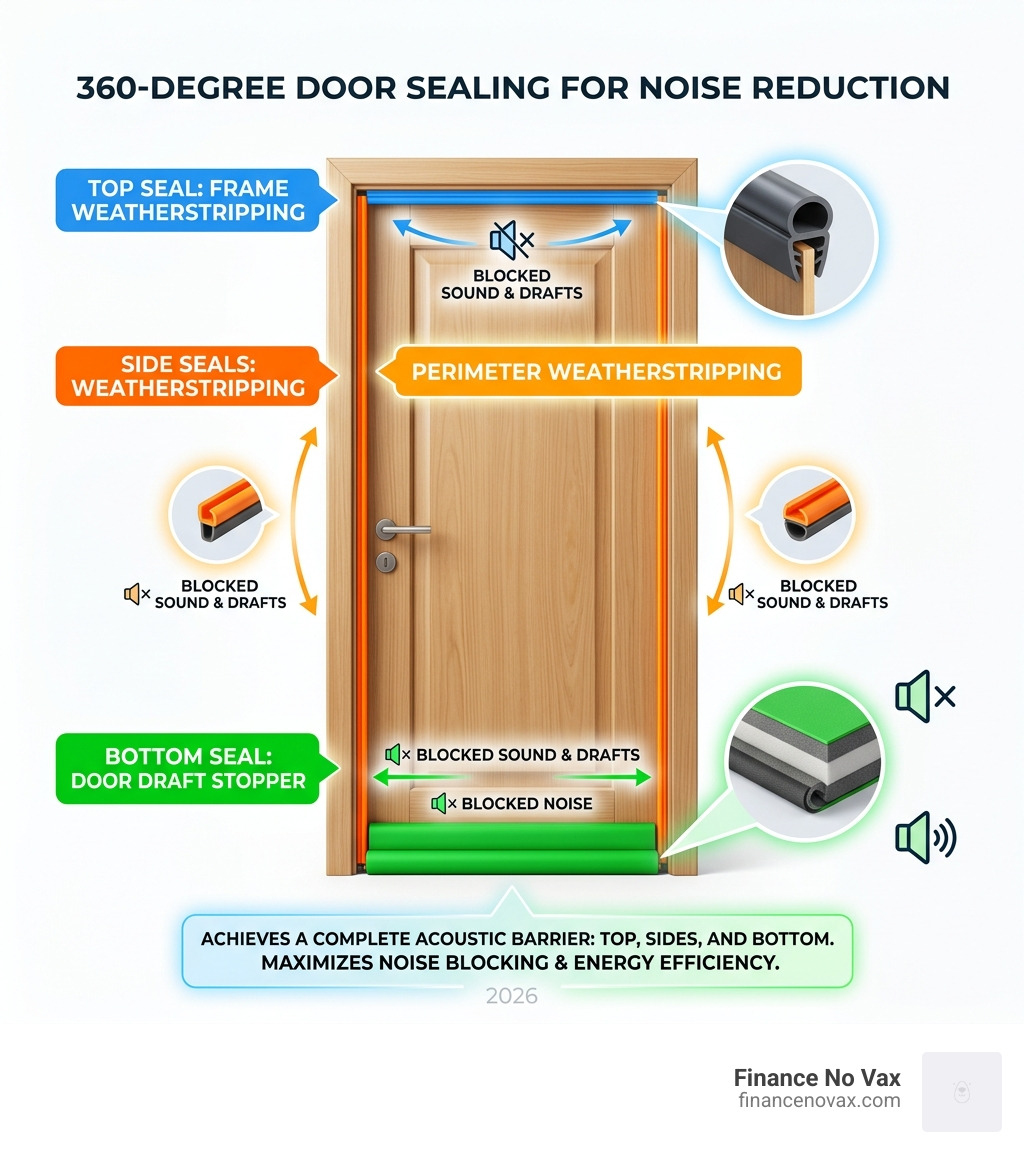
Sound also leaks through the sides and the top of the door frame. Adding adhesive rubber weatherstripping around the entire perimeter of the frame creates a “refrigerator seal” effect. When combined with an under-door stopper, this significantly cuts down on “flanking paths”—the sneaky ways sound travels around barriers. We call this The Great Escape in our office soundproofing guide.
Frequently Asked Questions about Soundproofing Door Gaps
Can a door draft stopper fully soundproof a room?
No. In acoustics, “fully soundproof” usually requires a vacuum or a concrete bunker. However, a high-quality stopper can drastically improve your Room’s STC (Sound Transmission Class) rating. It’s the most cost-effective “bang for your buck” solution. For total silence, you’d need high density door noise barriers that cover the entire door surface.
Which materials are most effective for blocking hallway noise?
Look for high-density memory foam or silicone. Weighted fabric stoppers filled with sand are also excellent because the weight keeps them pressed firmly against the floor, leaving zero gaps. If you’re interested in the aesthetics of your door while soundproofing, you might also look into high STC acoustic wood door panels.
Do soundproof stoppers work on carpeted floors?
Yes, but you have to be careful. A heavy, weighted stopper might be difficult to slide across a high-pile carpet. For carpeted rooms, we recommend double-sided foam stoppers (like the Under Door Draft Stopper from Upper Echelon Products) or specialty doors that use spring-loaded mechanisms to lift the seal when the door opens.
Conclusion
At Finance No Vax, we believe that your home should be a sanctuary. Whether you’re trying to lower your energy bills or just trying to get through a Zoom call without hearing the neighbor’s dog, a door draft stopper soundproof solution is a smart, low-cost investment.
By choosing a stopper with the right density, ensuring a tight fit during installation, and perhaps adding some frame weatherstripping, you can reclaim your peace and quiet. It’s a simple DIY project that pays off every single night when you finally get the uninterrupted sleep you deserve.
For more tips on creating a quiet, energy-efficient home, explore our other DIY guides and product reviews. Your journey to a quieter life starts right at the threshold!
